Context
Summary
Our Progress
Financials

Context

The political, policy, market, and community conditions for recovering minerals and metals from mine waste are becoming more favorable.

A 2025 study by the Colorado School of Mines found that almost all the US critical mineral needs could be met by targeting waste from mining. They focused on by-products from existing mining operations1. Governments want to secure domestic supply chains while addressing environmental liabilities of legacy mining. Investors see that balance sheets in the mining industry can be improved by decreasing risk at closed and managed sites. Non-governmental organizations working with communities recognize that policy reforms can help address the impacts from these sites2.

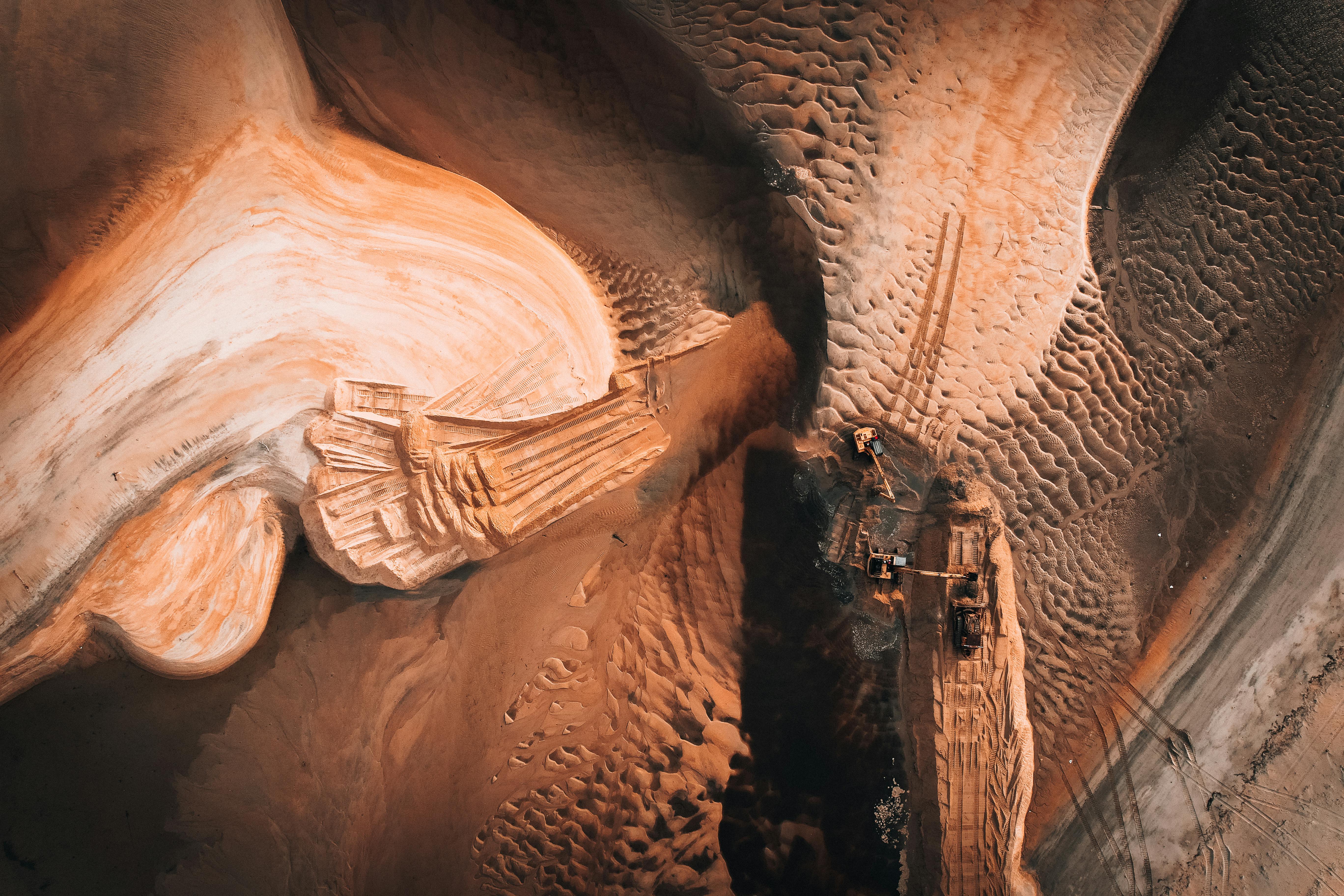
Metals recovered from waste are a source of needed minerals. Our enterprise strategy unlocks this value while addressing social and environmental impacts from historical mining.

Government initiatives and policy reforms, such as the US Good Samaritan Remediation of Abandoned Hardrock Mines Act of 2024, create new momentum. While narrowly targeted, this reform creates a path to start addressing mine waste at small, abandoned mines in the US.

As we work with communities we hear a clear message – waste from old mines is an obstacle to new mine development. Addressing historical waste helps the industry and communities.

As a first mover, Regeneration is helping to shape this new environment. We are an enabler, working with government, mining companies, rights holders, communities, off takers, and others to provide responsibly sourced minerals from waste and transform former mine sites into ecological and community assets.

Since our launch in November 2021 we have built a strong foundation as a company.

We have partnerships across the value chain from mining companies like Rio Tinto, to partners like Apple and Mejuri. In 2025, we expanded our project pipeline and invested significant resources in site assessment and development. We have a deep understanding of technologies (conventional and novel) to deploy at our sites and partnerships with preferred technology companies. We have built a world class team and network of local experts and enterprises at our sites and in the regions targeted for future development.

Recognizing that policy innovation is essential to scaling our solution, we are supporting policy reforms in the US, Canada, and Australia. We were instrumental in passing the US Good Samaritan Act. Recently we secured $15 million (CA) in funding from Pacific Economic Development Canada for our Hedley project in BC, Canada. The project is a partnership with the provincial government and is an example of policy innovation to support better outcomes.

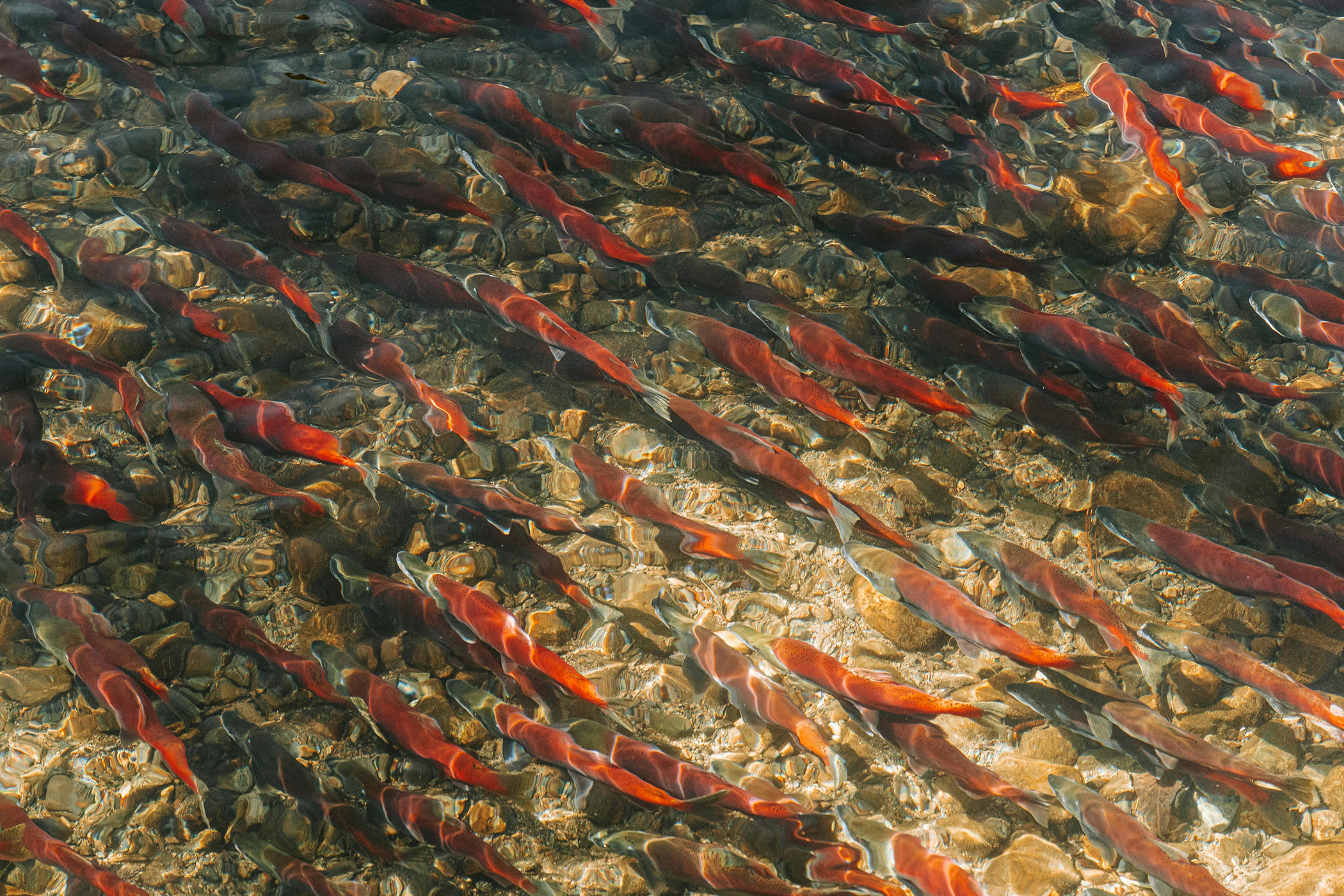
With our partner Mejuri, we produced a second exclusive jewelry line with 100% of the gold sourced from our Salmon Gold sites. This jewelry collection helped support ongoing restoration at our sites, with over 44 acres of restored habitat to date.

We are seeing significant growth in our pipeline with a number of projects ready to scale to production and restoration in 2027.

1 Holley et al. (2025). By-product recovery from US metal mines could reduce import reliance for critical minerals. Science, 389(6767). DOI: 10.1126/science.adw8997
2 Remining For BC’s Energy Future: Opportunities, Risks, and the Need for Strong Legal Oversight. (2026). Environmental Law Centre.

About Regeneration

Lorem ipsum dolor se emit. Lorem ipsum dolor se emit.

There are millions of legacy mines globally.

Our solution provides restoration and metals recovery

Close
9
Active
Projects
We evaluate sites (>150 to date) to identify the best targets and advance projects.
4
Active Policy
Initiatives
We innovate and influence to help scale our
solutions.
12
Active
Partners
We collaborate to support our vision and execute our mission.
100
Technology
Solutions
We implement and support technologies that advance reprocessing and restoration solutions
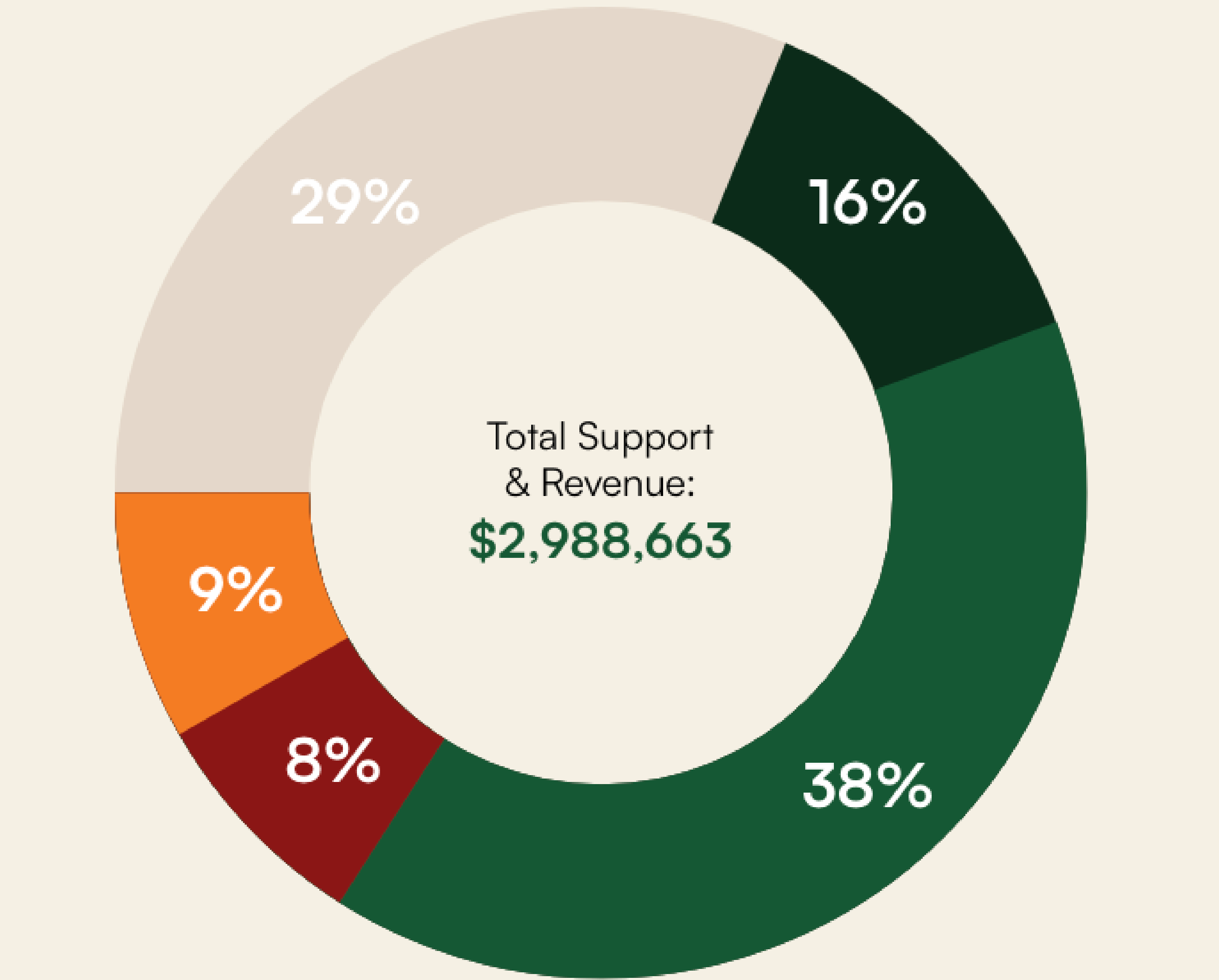
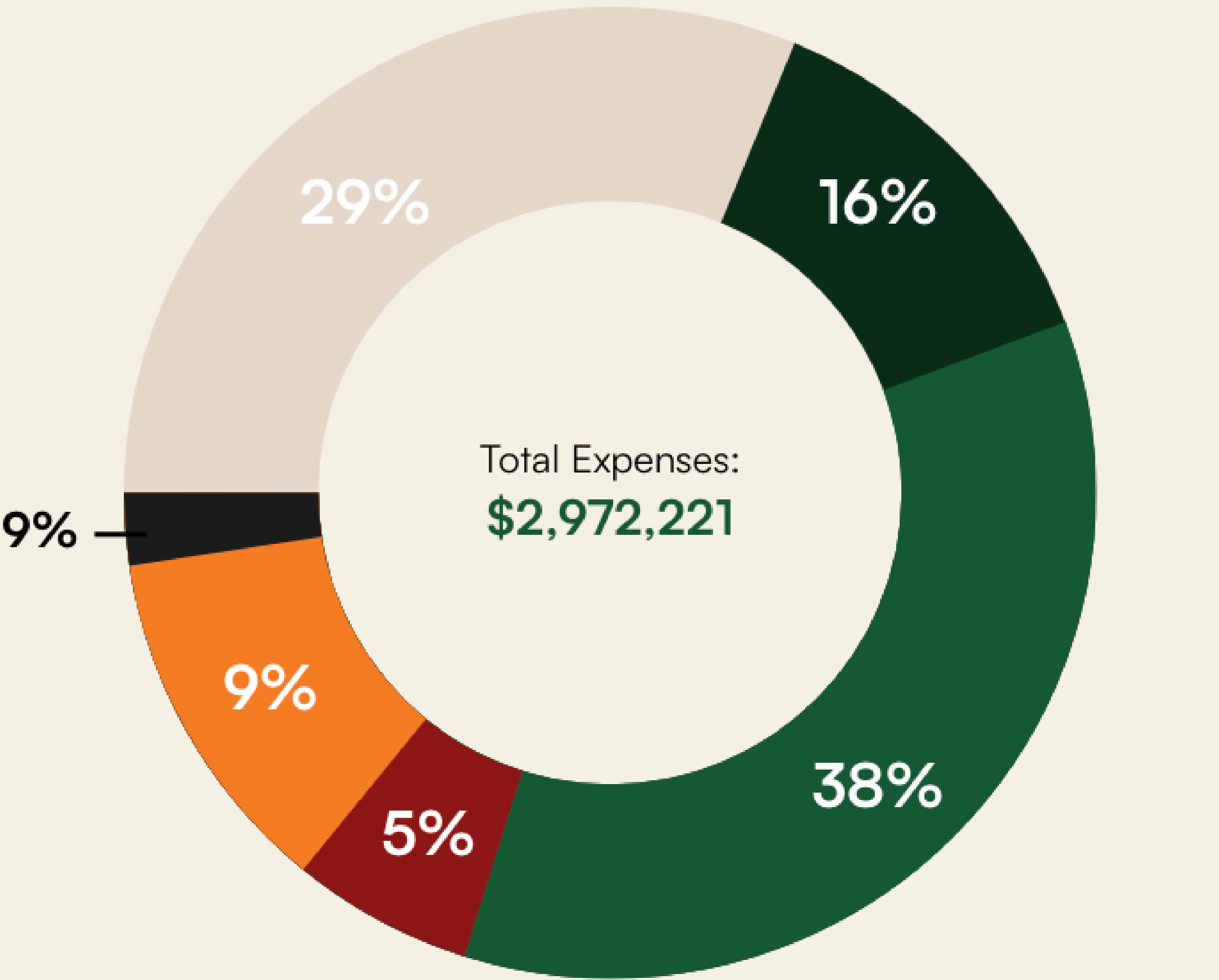
Financials
64%
30%
6%
Total Support
& Revenue:
$2,047,000
Grants & Contributions: $1,311,000
Program Revenue: $614,000
Other Income: $122,000
67%
27%
2%
4%
Total Expenses:
$1,962,000
Program Development: $1,311,000
Site & Technology Development: $538,000
General & Administrative: $79,000
Taxes: $34,000